Historical Sites
Tanzania's Rich Cultural Heritage
Tanzania is a treasure trove of human history, from ancient civilizations to colonial influences. Explore sites that tell the story of humanity itself, from the earliest human ancestors to the great trading empires of the Indian Ocean.
Journey Through Time and Civilization
Tanzania's historical sites span millions of years of human history, from the earliest evidence of our ancestors to the sophisticated trading civilizations that connected Africa to the world. These UNESCO World Heritage Sites and archaeological treasures offer profound insights into the human story.
UNESCO Sites
Years of History
Historic Destinations
Five Remarkable Historical Destinations
Each site represents a different chapter in the remarkable story of human civilization in East Africa.
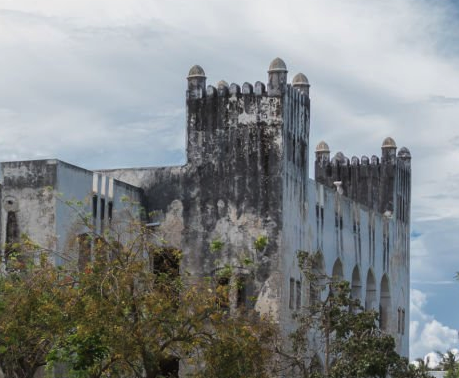
Kilwa Kisiwani and Songo Mnara
UNESCO World Heritage Site
13th-16th Century
Kilwa District, Lindi Region
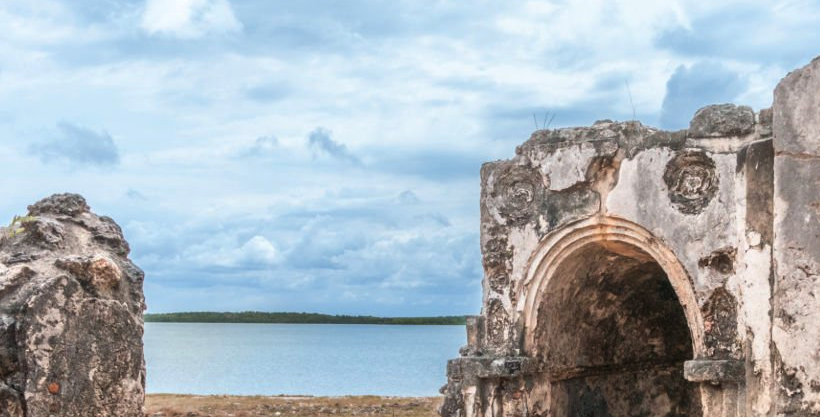
These remarkable ruins represent the height of Swahili civilization and the Indian Ocean trade network. Kilwa was once one of the most powerful city-states in East Africa, controlling gold trade from Zimbabwe and connecting Africa to Asia.
Historical Highlights:
- •Medieval Swahili trading cities
- •Islamic architecture and ruins
- •Ancient gold and ivory trade routes
- •Great Mosque of Kilwa
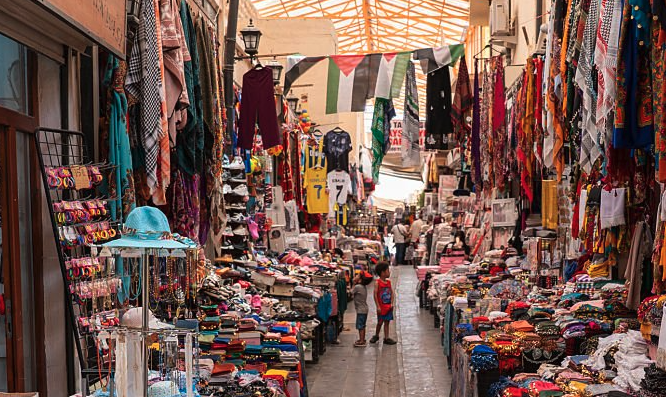
Stone Town, Zanzibar
UNESCO World Heritage Site
19th Century
Zanzibar City
The historic heart of Zanzibar City, Stone Town is a living museum of East African coastal trading culture. Its narrow alleys, bustling bazaars, mosques, and grand Arab houses reflect the complex history of the Spice Islands.
Historical Highlights:
- •Fusion of African, Arab, and European cultures
- •Labyrinthine streets and ancient buildings
- •Spice trade heritage
- •Sultan's Palace and House of Wonders
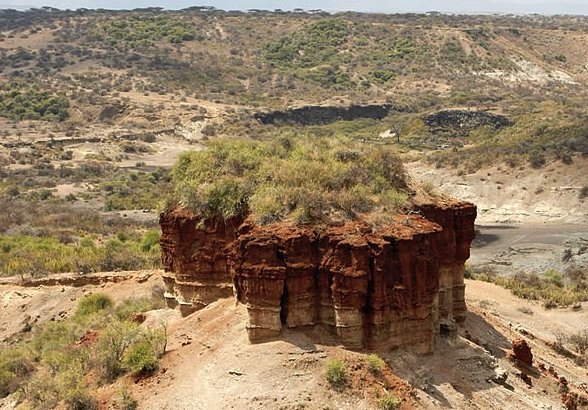
Olduvai Gorge
Archaeological Site
2 Million Years Ago
Ngorongoro Conservation Area
Known as the 'Cradle of Mankind', Olduvai Gorge has yielded some of the most important early human fossils ever discovered. The Leakey family's groundbreaking work here revolutionized our understanding of human evolution.
Historical Highlights:
- •"Cradle of Mankind"
- •Early human fossil discoveries
- •Archaeological significance
- •Leakey family research site
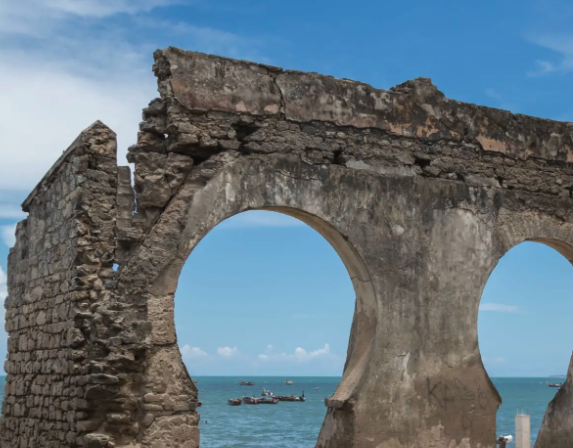
Bagamoyo
Historic Coastal Town
18th-19th Century
Pwani Region
Once the most important trading port of the central and northern East African coast, Bagamoyo was the end point of the caravan trade routes and a major center of the slave trade. Today it preserves important colonial and pre-colonial architecture.
Historical Highlights:
- •Former slave trade center
- •German colonial architecture
- •Caravan trade terminus
- •Cultural heritage center
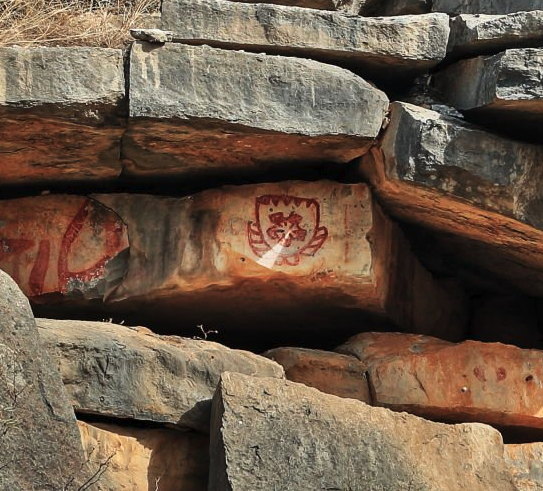
Kondoa Rock-Art Sites
UNESCO World Heritage Site
Prehistoric Era
Kondoa District, Dodoma Region
These ancient rock art sites contain some of the most important prehistoric paintings in Africa, created by hunter-gatherer communities over thousands of years. The art provides insights into the beliefs and daily life of early inhabitants.
Historical Highlights:
- •Ancient rock paintings
- •Prehistoric human expression
- •Hunter-gatherer art
- •Spiritual significance to local communities
Why Explore Tanzania's Historical Heritage?
Tanzania's historical sites offer more than just ancient ruins and artifacts. They provide profound connections to our shared human story and the rich cultural tapestry that makes East Africa unique.
- Human Origins:Discover where humanity began and evolved over millions of years
- Trading Civilizations:Explore the sophisticated societies that connected Africa to the world
- Cultural Understanding:Gain insights into the diverse cultures that shaped modern Tanzania
- UNESCO Recognition:Visit sites recognized as having outstanding universal value
Ready to Walk Through History?
Let us guide you through Tanzania's remarkable historical sites and the stories they tell about our shared human heritage.